Positive Integration ; Confronting Hatred and Islamophobia
Positive integration is considered one of the key social concepts that reflect constructive interaction between individuals from diverse cultural and ethnic backgrounds within society. In a world that is increasingly diverse, with movements and migrations of people from different cultures, positive integration stands out as a fundamental tool to enhance peaceful coexistence and build diverse communities based on equality, justice, and mutual respect. From this perspective, positive integration becomes not only a social necessity but also an inevitable legal issue related to the right of citizenry. It is also a crucial tool in confronting hatred and racism, such as Islamophobia, which hinder coexistence and interaction among members of society.
The Concept of Positive Integration
Positive integration is an ongoing process aimed at integrating individuals into society in a way that enhances their ability to actively participate in social, economic, and political life without losing their cultural or religious identity. Positive integration involves building a bridge of understanding between individuals from diverse backgrounds, with the goal of creating a society where everyone shares the same rights and duties.
Positive integration can be classified into several types, including:
- Cultural Integration: This refers to the exchange of cultures between different groups within society while maintaining the cultural uniqueness of individuals and communities. This type manifests in mutual interaction between religions, languages, and traditions, which leads to enhanced mutual understanding and reduced cultural tensions.
- Social Integration: This focuses on integrating individuals into social networks within the community, such as schools, workplaces, and social activities. The goal is to achieve interaction between individuals from different backgrounds, which contributes to building healthy and cohesive social relationships.
- Economic Integration: This aims to integrate individuals into economic life by providing job opportunities without discrimination and ensuring they have full access to economic services provided by both governmental and private financial institutions.
- Political Integration: This includes empowering individuals to actively participate in political life through voting rights, candidacy for public office, and involvement in decision-making. This type contributes to ensuring that all societal groups are represented in public authorities and have a role in shaping their own future.
Citizenry Rights and Positive Integration
The right to citizenry is the foundational pillar upon which positive integration is built in any society. Citizenry is not just a legal relationship with the state; it is a social bond that guarantees all members of society equal rights and duties. By guaranteeing the right of citizenry, individuals gain the right to fully participate in public life and enjoy the political, social, and economic rights provided by society.
Positive integration is closely tied to the right of citizenry, as it involves empowering individuals from diverse backgrounds to gain equal opportunities in various areas of life. Citizenry transcends the legal aspect to include social and psychological dimensions, ensuring that every individual feels a sense of belonging and equality in rights, which enhances their active participation in society.
Islamophobia and Hatred: The Challenges Facing Positive Integration
Muslims suffer from Islamophobia, which is an unjustified fear or hatred of Islam and Muslims. This dangerous phenomenon manifests in practices such as workplace discrimination, physical or verbal assaults, and violent terrorism targeting Muslim citizens and residents. In addition, negative stereotypes are often spread through media outlets. Islamophobia is considered one of the major challenges facing positive integration.
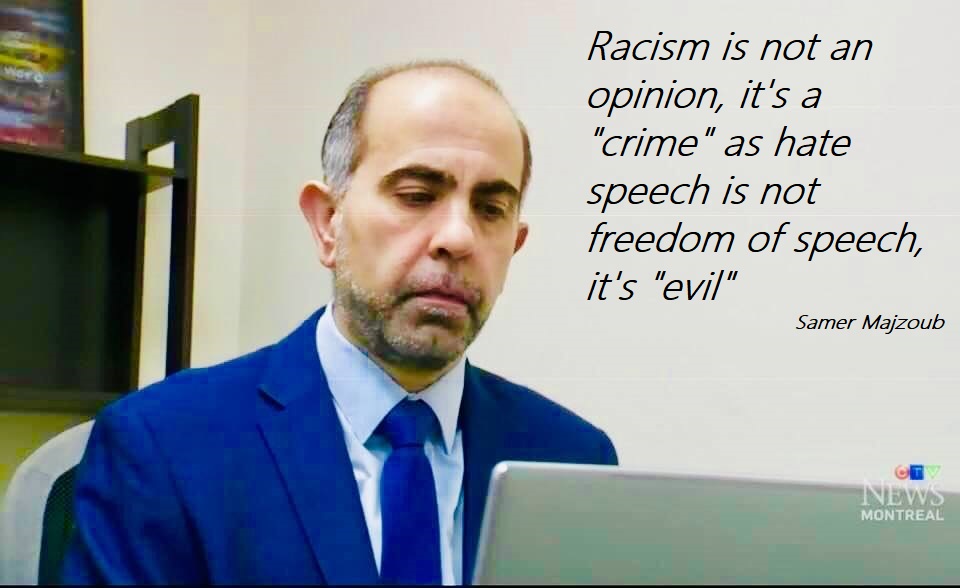
Hatred and racism, in general, also pose significant barriers to social integration, as they encourage social divisions and increase tensions between societal groups. Consequently, positive integration becomes an effective tool to confront these phenomena, as it contributes to fostering mutual understanding and cooperation among all members of society.
Positive integration is a vital process that ensures individuals from diverse cultural, religious, and ethnic backgrounds can live together in peace and equality. It is closely linked to the right of citizenry, which represents the foundation for achieving justice and equality within society. In confronting challenges such as Islamophobia and racial hatred, positive integration can be an effective solution for building a cohesive society that recognizes the rights of all its members and fosters peaceful coexistence and cooperation for the common good.
 samermajzoub